
The heat is on
“This is the least extreme climate you will experience in your lifetime”

The thermometer hit 34°C in the garden this week. It’s still Spring here. A few short weeks ago parts of this county had a frost - much more in keeping with what a gardener expects could happen in this month. Most of us know you can run a risk putting tender plants out in the UK into May. It is not, however, usual for us to be contending with such high temperatures at this time of year. I worry for anyone having to grow commercial crops for a livelihood in such challenging, erratic conditions (and for all of us, since we all rely on crops for food).
Ringing in my ears are the words “this is the least extreme climate you will experience in your lifetime” - the sub-heading of this post - a quote taken from a briefing on extreme weather by Prof Hayley Fowler for the National Emergency Briefing. As Fowler says in her briefing, “I’ll let that sink in.”
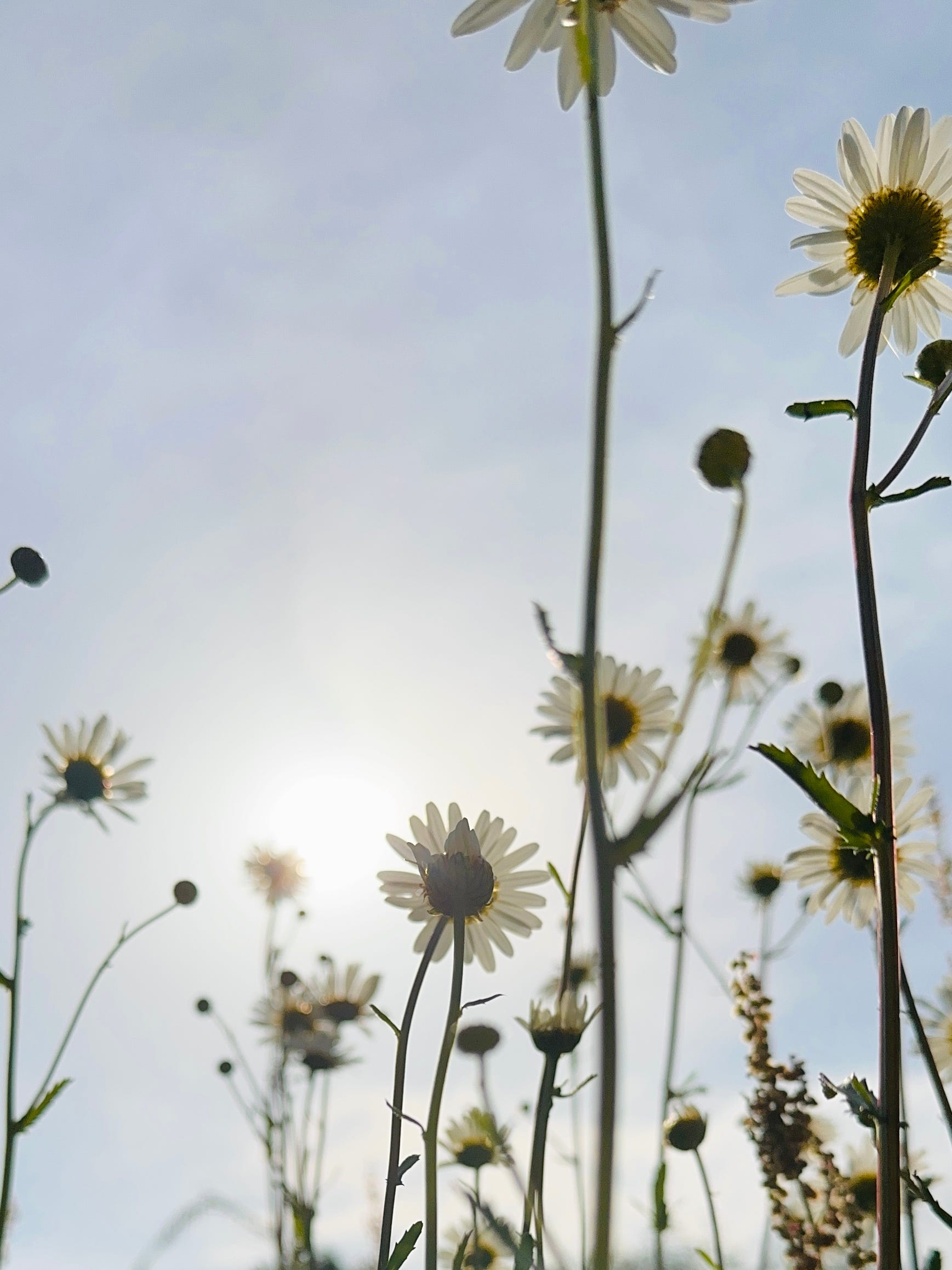
With these crazily high temperatures we’re having and records being broken yet again, my thoughts returned to a screening of the film of this briefing, which I caught at the beginning of this month
The film, People’s Emergency Briefing, is presented by Chris Packham and is a condensed, accessible account (designed for community screenings) of the National Emergency Briefing that took place in London in November last year, where experts set out the evidence on the climate and nature crisis and the positive responses available to us.
The unseasonable heat (and some disagreements) of this week prompted me to go and watch the recordings of the briefings in full.
Here are some (of the many) points from the briefings that caught my attention:
Heatwaves in Europe are intensifying faster than anywhere in the world and faster than climate models predict.
If we don’t stop burning fossil fuels, the temperature will just keep rising. The idea that we cut fossil fuel use doesn’t help. We have to eliminate fossil fuels, or the temperatures will just keep going up.
Collectively, the top 1% of global emitters [including many of us reading this post] have lifestyles that give rise to twice the level of the bottom half of the world’s population.
We need urgent legislation to drive down energy use within high income, high emitters group. We need fair and deep reductions in energy use. This means we have got to move the resources and labour that furnish the private luxury of a relative few of us to the public well-being for all. To a future of private sufficiency and public luxury.
We are one of the most nature depleted nations on the planet. The UK ranks in the bottom 10% of countries globally on the biodiversity intactness index, with only about half of our biodiversity remaining. 1 in 6 of our wildlife species is at risk of extinction. Only 14% of our rivers are in good ecological health. Only 7% of our woodlands are in good ecological health.
The Office for Environmental Protection warns that the Government is largely off track on almost every target set under the Environment Act.
Right now, billions in public and private finance flows into activities that degrade soils, pollute rivers and destroy habitats. We have to end these subsidies, strengthen enforcement, and apply a simple universal test to spending and investment: Does this harm the biosphere or can it help it?
We need to create an economy that values nature not as a resource to extract, but as a partner in prosperity. We have to stop funding its destruction, invest in its repair, and make it the foundation of our economic and security strategy.
We need to redirect finance and measure what actually matters to us.
We need a great food transformation built on four main pillars: shifting to plant-rich diets, reducing food waste, improving production and increasing climate resilience. One of these pillars is much bigger than the others: a shift to healthy, plant-rich diets. We’ve got to place the focus on eating high fibre whole food plants for the sake of our own health and for the planet’s health.
It is too late for non-radical futures. The choice is between a deep, rapid and fair decarbonisation of modern society - a relatively organised technical and social revolution - or ongoing rhetoric and delay as temperatures become dangerous for all - leading to revolutionary scales of change that will be chaotic and violent.
I would really urge, for anyone who cares about people and planet and a liveable future, to watch the briefings in full for yourself:
https://www.youtube.com/playlist?list=PL6b0HBZ3v-IkuFdfsieHeQVvo2rDWoADE
Each briefing is around 12 minutes long and there are nine in total (on nature, climate, extreme weather, tipping points, food security, health, national security, economics and energy transition).
Or you can find community screenings of the People’s Emergency Briefing film on this map here:
https://www.nebriefing.org/screening-map
Chris Packham has also launched a petition for the government to hold a UK-wide briefing on the climate and nature crisis here if you’d like to sign. If it reaches 100,000 signatures, it will be considered for debate in Parliament:
https://petition.parliament.uk/petitions/767687
It’s hard to tackle problems if we don’t face them. Having information is key to us making better decisions, individually and collectively.
The science and data is there, the evidence of what people are experiencing is there, and the ideas for what we can do are there too. As Professor Hayley Fowler says in her briefing on extreme weather, “what we need is the courage to commit to urgent action”.
What can I do?
You can find a multitude of ways you can take action here:
https://www.nebriefing.org/take-action
Have you watched the film and/or the briefings? If you have, I’d be interested to hear what hit home for you the most. What action, if any, you have been propelled to take? And how have you, your home and your garden been fairing in this heat?
Terrifying but so, SO important. It should be mandatory viewing.